A member article on the IAB Tech Lab site argues that connected TV publishers can move ad load out of the pod and into six other standardized moments in a viewing session.
What happened
The piece, Rebalancing the Ad Break, is tagged as a member perspective and written by Aviram Sharon, CEO of InTheGame. It says that on most CTV services the entire ad load sits in a handful of breaks of two to four minutes. It cites a 2024 FreeWheel study, reported by eMarketer, finding that breaks at unnatural moments bothered 71% of viewers and cut brand recall by 14%.
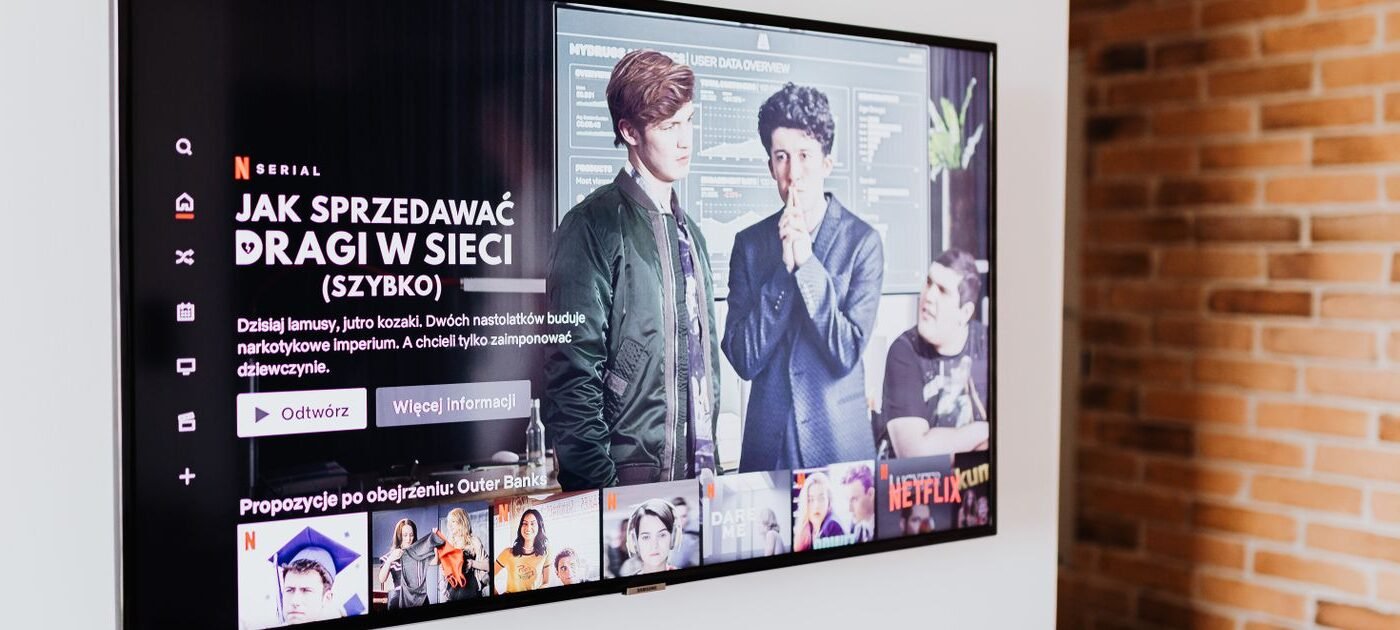
Sharon says the IAB Tech Lab CTV Ad Portfolio defines six placements outside the break: home screen and menu ads, pause ads, contextual overlays, L-bar squeezebacks, double-box squeezebacks and in-scene ads. The seventh is the break itself, which becomes shorter. His worked example is a double box shown during an injury stoppage in a live match, with the content and the ad each taking about a quarter of the screen.
Why it matters
The article puts the choice of when a format runs with the publisher. In Sharon’s words, “The standard defines the unit but the publisher defines the moment.” Activation can be manual, scheduled, triggered by event signals, or set off by AI-assisted detection of timeouts and replays. We covered the earlier home screen ad standard and a survey on viewer tolerance for ad breaks.
One thing to ask
In our reading, the trigger method is the detail a buyer should request in writing. A pause ad runs when a viewer pauses. A stoppage placement runs when a producer or a detection system decides it should. Ask the publisher which of the two methods will run your unit, and how often, before you book across more than one moment. The article is one member’s view and does not describe pricing or measurement for these placements.
Source: IAB Tech Lab