What happened
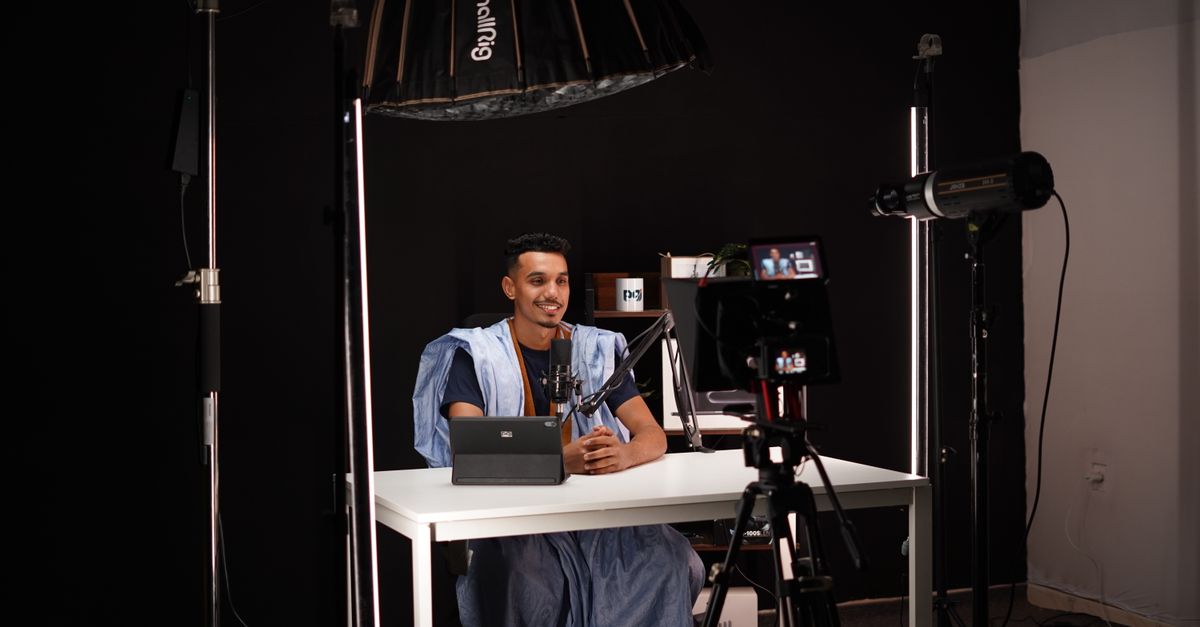
YouTube used its Made on YouTube event on September 23 to roll out AI-driven features aimed at keeping creators, and the ad dollars that follow them, inside the platform. Viewers can now build custom homepage feeds from a conversational prompt, and an expanded “Ask YouTube” search adds shopping links and visual discovery. On the creator side, a conversational editing tool spans Shorts and the YouTube Create app, auto-trims pauses for pacing, and generates thumbnails matched to a channel’s style. CEO Neal Mohan framed the push in structural terms: “Today, YouTube creators are the defining cultural force of our time,” he wrote, adding that “our responsibility is clear: to ensure our technology stays one step ahead of how the world creates, discovers, and connects.”
Why it matters
Every one of these tools does something a marketer or agency used to pay a third party to do: feed curation, editing, thumbnail testing, shopping integration. Folding all of it into one AI layer narrows the wedge specialized creative and personalization vendors have been selling into, and expands the platform’s own claim on attention and commerce data as brands work out where their ad dollars land in the AI stack.
The original insight
The likeness-protection expansion, adding facial detection to YouTube’s voice-detection system, deserves more attention than the flashier editing tools. As brands lean on creator and AI-generated video in the same campaigns, a platform-level system for verifying whose face and voice appear in a clip becomes brand-safety infrastructure, the same way marketers now ask about bot traffic or viewability. YouTube’s own competitors are racing to build visibility into rival AI agents, and this is its version of building trust into AI-generated content before regulators force the issue, a shift already visible in how marketing agents are moving from advisory tools to systems that act directly on a brand’s behalf.
Source: YouTube