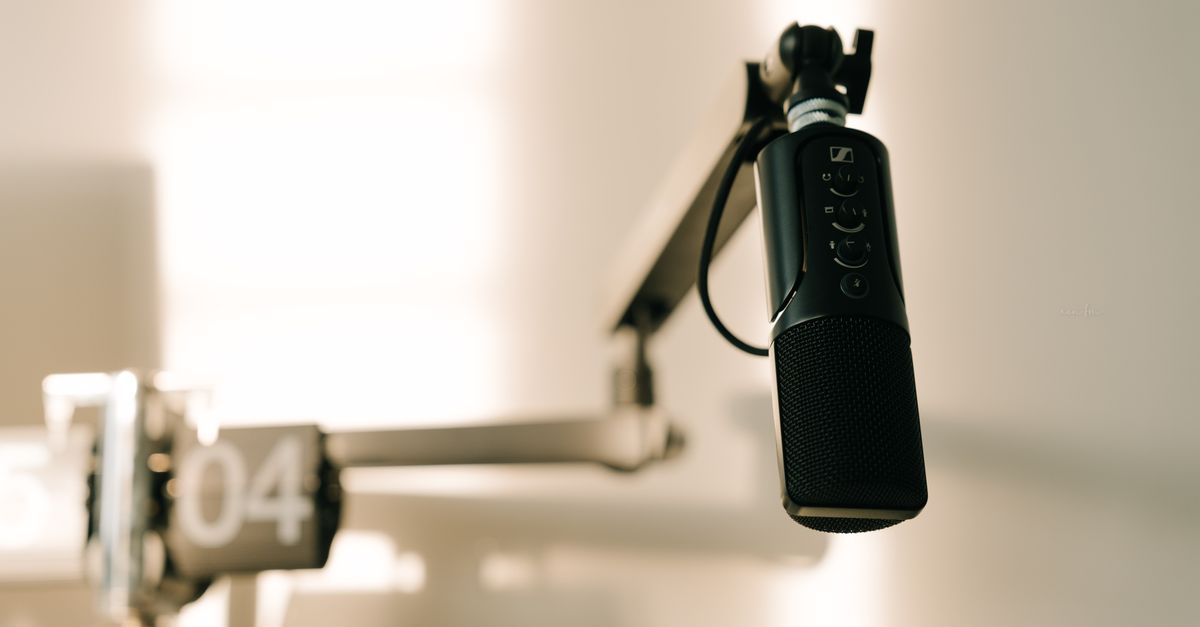
Podcast advertising is finally getting a shared rulebook for how audiences and ad delivery get counted, even as the format splits between audio and video. IAB Tech Lab released version 2.3 of its Podcast Technical Measurement Guidelines on July 21, opening a 30-day public comment period through August 19. The update, developed by the organization’s Podcast Technical Working Group, replaces the term “listener” with “podcast consumer,” lays groundwork for the video-focused v3.0 already in development, and adds guidance on URL prefix measurement, RSS enclosure changes, invalid traffic handling, duplicate download detection, and measurement windows, all built on server-side log analysis rather than client-side tracking.
That last detail is the reason this matters beyond a terminology tweak. Most podcast apps still cannot confirm playback the way a web or app analytics SDK can, so server-side logs remain the only measurement method the whole industry can agree to trust. As video podcasts pull in a growing share of ad dollars, without a common standard, a “download” or a “listen” could mean something different on every platform, making cross-publisher buys nearly impossible to compare. IAB Tech Lab CEO Anthony Katsur put it plainly: “Measurement only works at scale if everyone is counting the same way.” Triton Digital’s Hugo Martel and Podtrac’s Robert Freeland, both members of the working group, echoed that the update reduces ambiguity that has been slowing deals down.
The original insight for buyers: this is less about podcasts catching up to video and more about video podcasts being folded into an existing audio measurement discipline, rather than inheriting one built for MRC-style video counting. That choice will shape how agencies build cross-format media plans for the rest of 2026, especially as IAB’s parallel push for a common language across digital video ad formats and the broader move toward pre-campaign attention metrics both aim at the same underlying problem: too many incompatible ways to count the same impression.
Source: IAB Tech Lab via PR Newswire