Brand accuracy is becoming a metric marketers can actually measure. Profound launched FactCheck on July 14, a system that continuously compares what AI answer engines say about a brand against that brand’s own verified knowledge base, then flags exactly where the inaccuracies originate.
The problem FactCheck targets has been effectively invisible until now. Profound’s research across 50,000 LLM responses found that 47% of response content is unsolicited commentary the AI adds beyond the question asked, meaning brands have had no systematic way to know when a chatbot is inventing a price, a spec, or a policy. Kieran Riley, an AEO product marketing specialist at WHOOP, said the gap used to be completely invisible to his team. WHOOP found 7.9% of AI responses citing the brand contained accuracy issues once it started checking, per the company’s business analyst Sophia Scaglioni Melegari.
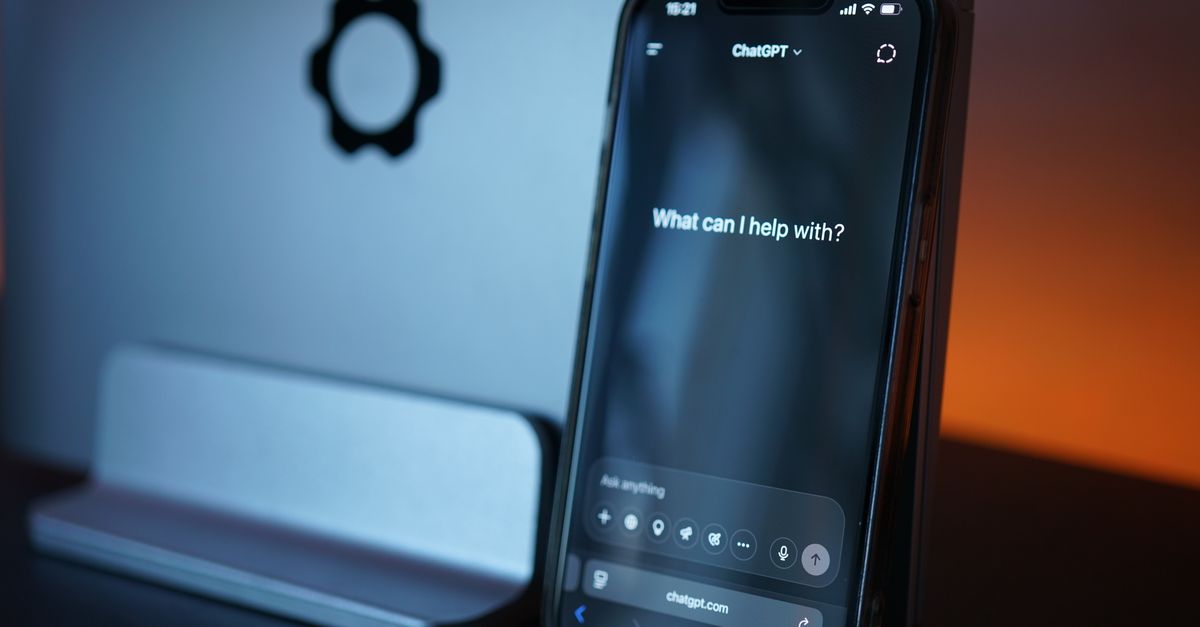
For marketing leaders, this matters because answer engines are quietly becoming a customer touchpoint no one owns. A wrong price or discontinued feature repeated by ChatGPT or Gemini reads as fact to a shopper, and 21% of consumers say they would blame the brand itself for the error, not the AI platform that produced it, per data Profound cites from Storyblok.
The original insight here is structural: FactCheck does not just score accuracy, it routes each inaccuracy to a specific remediation action, an agent that refreshes owned content, one that creates counteracting content against a competitor’s stronger source, or one that drafts outreach to a third-party publisher whose page is feeding the wrong answer. That turns brand monitoring from a PR reporting exercise into a recurring marketing-ops workflow with its own automated fix, the same shift already underway in martech’s broader AI reckoning over proof, not just capability, and in how customers increasingly get AI help outside a brand’s own chatbot.
Source: Profound