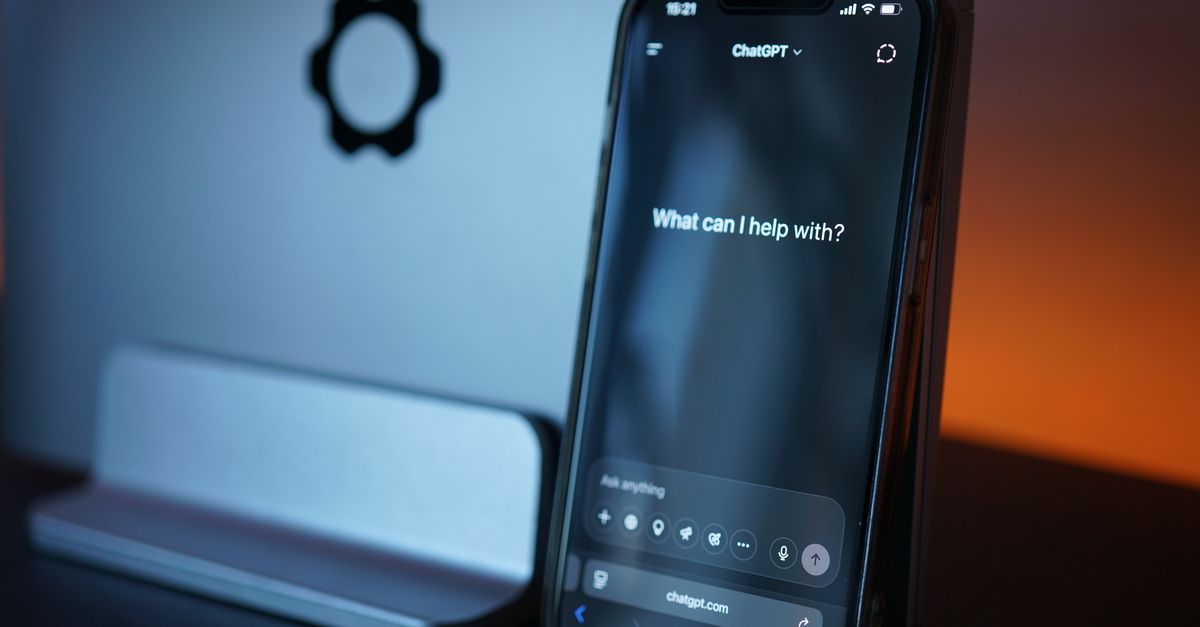
For twenty years, getting found online meant ranking on Google. That assumption is breaking. Buyers increasingly get their answers from ChatGPT, Perplexity, Google’s AI Overviews and Gemini, which summarize the web and often never send a click back. The marketing response now has a name, answer engine optimization, and as of this spring it has a price tag: HubSpot has put AEO behind a standalone tool at $50 a month. When the largest mid-market marketing platform productizes a discipline, that discipline has arrived.
From ranking to being cited
The shift is a change of goal, not just of channel. Traditional SEO optimized for traffic, measured in rankings and clicks. AEO optimizes for being the source an AI cites when it answers, measured in mentions, citations and share of voice. The tactics overlap, and gains in one often lift the other, but the scoreboard is different. You can win the answer and never get the click.
The pressure behind the shift is real. ChatGPT alone now fields billions of queries a day, and Gartner has projected that roughly a quarter of traditional search volume moves to AI assistants by 2026. HubSpot’s own data shows the squeeze from the brand side: organic traffic for its customers is down 27 percent year over year, while beta users of its AEO tool saw AI referral traffic grow 20 percent against non-users. By HubSpot’s January 2026 figure, 42 percent of CRM software buyers already fold AI search into how they evaluate vendors.
What the tools actually do
HubSpot AEO, the most visible entrant, offers a brand-visibility dashboard with sentiment analysis, competitor share-of-voice tracking, and citation analysis that shows which sources the engines pull from. Its real design choice is to tie recommendations to execution inside HubSpot: spot a visibility gap, then create the content or update the page without leaving the tool, with deeper direct execution promised later in 2026. It is not alone. A young field of trackers, among them Profound, Semrush and Conductor, has formed to measure brand presence inside AI answers, though the category is still immature and the metrics are not yet standardized.
The uncomfortable part: visibility is not traffic
This is where marketers should slow down. Being cited and being visited are diverging. By 2026 industry analyses, referral traffic from AI answers has fallen sharply even as citations climb, and the sources the engines favor are not brand sites but reference and community pages such as Wikipedia and Reddit, which reportedly account for an outsized share of all citations. AI engines prefer pages that answer directly over pages built to convert. So a brand can raise its AEO visibility and still lose visitors, because the answer was delivered without the click. Optimizing for citations that buyers may not click, and may not fully trust, is a genuine risk, one we examined in our look at the trust cliff in AI search.
What it means for the marketing leader
Treat AEO as a discipline to staff and measure, not a switch to flip. Three moves follow. First, instrument it now, while baselines are cheap: track mentions, citations and share of voice so you can prove movement later. Second, restructure content to be citable, with clear answers, structured data and genuine expertise, because the engines reward direct, authoritative pages over conversion funnels. Third, keep the metric honest: AEO visibility is a brand and consideration play, not a traffic source, and budgeting it as lead generation will disappoint. A $50 tool makes the discipline accessible. It does not make your content worth citing. Track the shift in Marketing AI.
Related: HubSpot shipping answer engine optimization | AI-search visibility moving to budget line