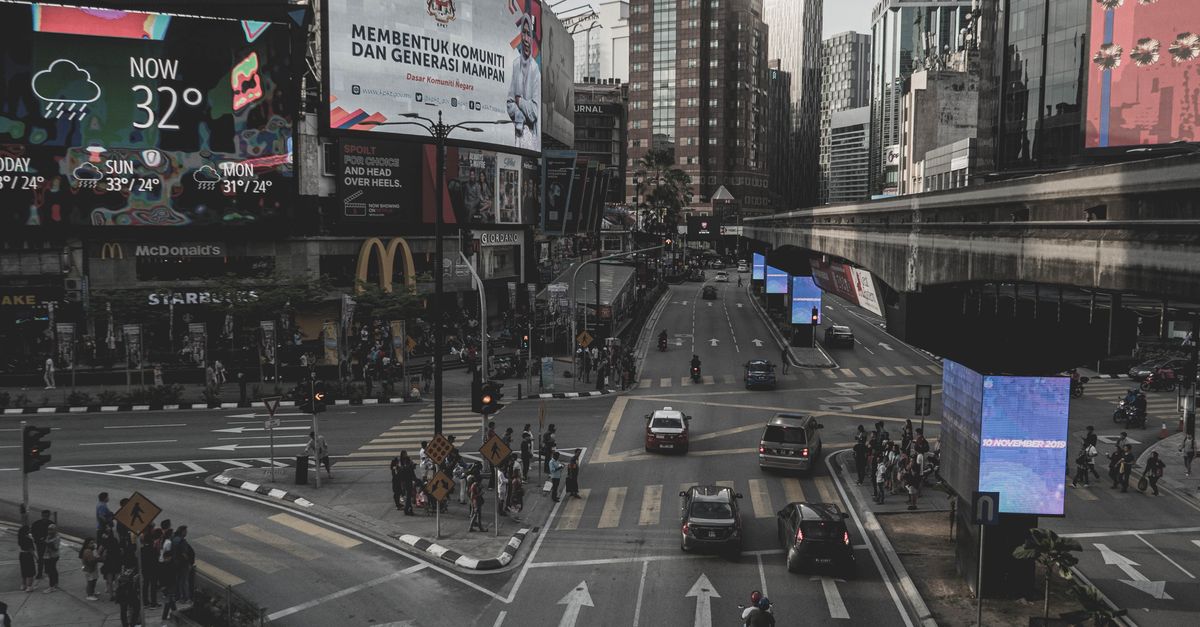
DeepIntent, the healthcare-focused demand-side platform, has integrated Vistar Media’s digital out-of-home and point-of-care inventory directly into its DSP, giving pharmaceutical and healthcare advertisers a single interface to buy screens in transit hubs, retail locations, offices, airports and clinical settings alongside the streaming TV, audio and clinical line items they already run there. Vistar, owned by T-Mobile Advertising Solutions since February 2025, supplies the underlying DOOH technology and publisher network.
“By bringing Vistar’s premium digital out-of-home inventory into the DeepIntent platform, we’re making it easier for advertisers to activate high-impact omnichannel campaigns,” said Nicole Alfonso, VP of Media Partnerships at DeepIntent.
The move matters because healthcare marketers have historically avoided DOOH despite its performance: out-of-home advertising returns $7.58 per incremental dollar spent, according to figures DeepIntent cited, well above the $5.52 all-media average, and programmatic DOOH is projected to reach 48% of global campaigns within 18 months. What kept pharma buyers out was not the format’s economics but its lack of healthcare-specific targeting and measurement. Consolidating DOOH into a single platform with the audience and attribution tools DeepIntent already built for regulated categories removes that barrier without asking compliance teams to vet a second vendor.
The original insight here is less about DeepIntent and more about where DSP consolidation is heading next: after years of platforms absorbing CTV and audio, out-of-home is now getting the same treatment specifically for regulated verticals, where measurement rigor is the product, not the screen inventory itself. Expect other vertical-specific DSPs, in finance or automotive, to follow the same pattern rather than build DOOH capability from scratch, since the same consolidation logic is already reshaping how programmatic buyers relate to agencies. It is also a sign that IAB’s newly updated AI disclosure rules, covered separately today, will increasingly need to account for out-of-home formats as AI-generated creative moves onto physical screens, not just paid social and search.
Source: PPC Land