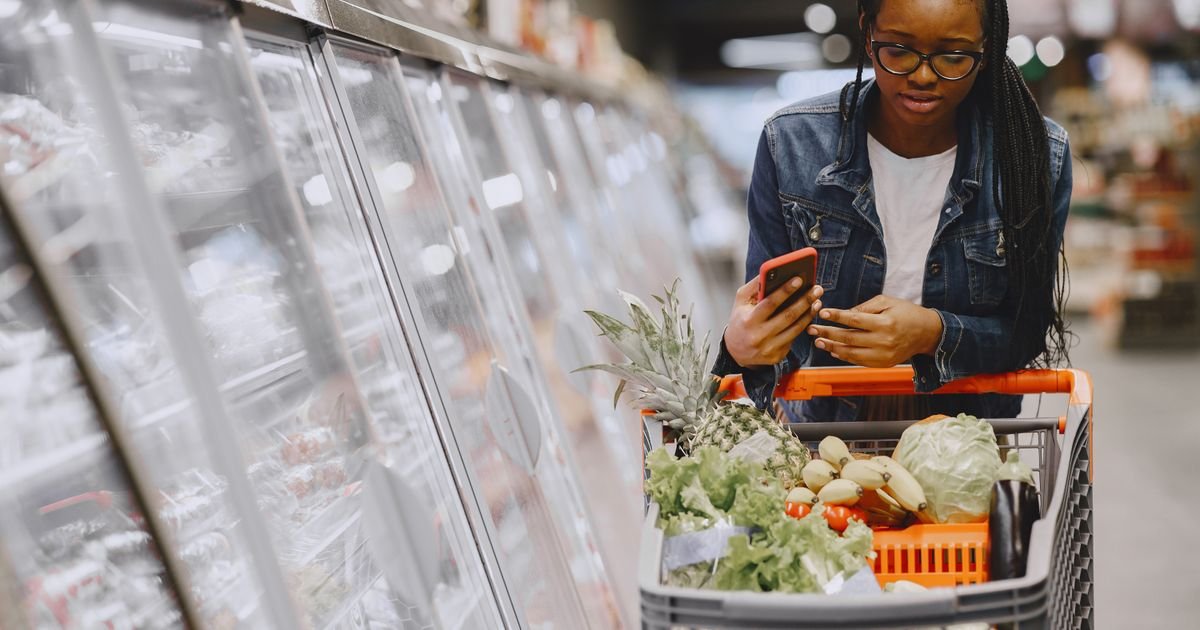
Google is rolling out new Connected Apps in Search and the Gemini app for grocery runs, with Albertsons, Safeway, Shaw’s and Target among them. Google says U.S. users can build an order and check out with the apps, which it describes as powered by the Universal Commerce Protocol.
What Google announced
The November 20 Google post says the grocery apps “can help you build your order and check out with ease”. The post lists Albertsons, Safeway, Shaw’s and Target and frames the rollout around holiday cooking, naming appetizers for a party and Thanksgiving groceries as examples.
The post also covers two finance tools. Experian is already live in the Gemini app, and Google is now rolling it out to Search so U.S. users can check their credit rating and shop for a personal loan. H&R Block lets U.S. users calculate taxes and estimate refunds from Search. Google adds that in the coming weeks, users will be able to link accounts to Angi and Thumbtack in Search to find local pros.
The post gives no rollout dates for individual grocers, no list of states or store banners beyond the four names, and nothing on fees, ad placements or what data the retailers receive.
How the apps get built
The platform behind them was described in an October 28 Google post. Google launched a preview of a Connected Apps Platform so developers can build once and reach users in both Search and the Gemini app. Developers integrate with a cloud-hosted MCP server, or with Android MCP through the AppFunctions APIs, then use the Google Connected Console to register, test and submit the app. Before review they choose whether the app goes live in Search, the Gemini app or both. Once live, they can track traffic, latency and error rates, and keep control of their brand identity, including verified logos and authenticated accounts. Google says it is opening access in phases and has launched more than 50 Connected Apps, with Adobe, Experian, Localiza and Peloton live in Gemini.
Where checkout fits
Checkout through the Universal Commerce Protocol is not new to this rollout. Google’s October 15 launch post for Universal Cart says the cart keeps items from several retailers in one place and that checkout is powered by the protocol, with shoppers able to pay through Google Pay or move to the merchant’s site to finish the order. We examined how different accounts described that cart in Four Accounts of Google’s Universal Cart.
Grocery arrived in Gemini earlier through Instacart. In a May 19 company post, Instacart said it became the first grocery partner integrated into Gemini and that users link an Instacart account, build a cart through conversation and then go to Instacart to place the order for delivery or pickup. For the four new grocery apps, the Google post describes building the order and checking out, without saying where the order is finally placed or fulfilled.
What it means for the marketing leader
A shopper who builds a Thanksgiving order inside Gemini or Search may have a session that the grocer’s own site and app do not observe until the order arrives, if the order is placed through the app. For a grocery or CPG marketer, several questions then sit in the partnership terms.
In our reading, the first question is what the grocer receives about the session. Google’s posts describe verified logos and authenticated accounts for developers, and traffic, latency and error-rate tracking in the console. The Google posts quoted here do not say whether query text, basket contents or substitution choices reach the retailer, or whether the retailer’s loyalty program is recognised in the flow. Teams should ask for that in writing before treating the channel as a source of first-party data.
The second question is measurement. A visit to the grocer’s site is a familiar event in analytics. An order built in a Connected App may arrive as a completed basket with no preceding page views. Marketers comparing channels over the holiday weeks should expect these orders to look like direct or unattributed demand unless the partner agreement defines a source tag. Our look at holiday shoppers who use AI agents to research but rarely pay covers a related split between where shoppers research and where they pay.
The third question is control over the agent’s behavior. Retailers are also setting rules for these agents, as in United and eBay making AI shopping agents ask permission first. The Google post says nothing about permission prompts for the grocery apps, so a retailer’s brand and promotion rules for the flow are a contract topic.
What to do this week
Three steps are practical for teams with a grocery or retail media business, and none of them needs a Google contract. Check whether your brand’s products appear in the order flows of the four named grocers, and screenshot what a shopper sees. Ask the retail partner how Connected App orders will be labelled in reporting. Set a baseline for direct and unattributed orders now, so the holiday comparison has something to compare against, and record the date each grocer’s app appears in Search so any change in order patterns can be matched to it. Review promotion calendars too. If a shopper builds an order from a conversation, a coupon that depends on a site banner or an email click may never be seen. The rollout is limited to the U.S., and Google says more developers, markets and products are coming over the next months.
Source: Google, Get your year-end tasks done with new Connected Apps